








How to Start a Gratitude Journal: A Simple Guide for Beginners
Keeping a gratitude journal is a wonderful way to cultivate a positive mindset and appreciate the good things in life. Whether you’re new to journaling or looking to deepen your practice, starting a gratitude journal can be simple, enjoyable, and beneficial. In this guide, we’ll explore what a gratitude journal is, why it matters, and how to create one that fits your lifestyle.
What Is a Gratitude Journal?
A gratitude journal is a personal diary where you regularly write down things you are thankful for. These can be big or small—anything from a beautiful sunset to a kind gesture from a friend. The goal is to focus on positive moments and experiences, which can help improve mood, reduce stress, and increase overall happiness.
Why Start a Gratitude Journal?
Practicing gratitude has been linked to many benefits, including:
– Improved mental health: Regularly reflecting on things you appreciate can reduce negative emotions and promote optimism.
– Better sleep: Taking time to focus on gratitude before bed often leads to more restful sleep.
– Stronger relationships: Noticing and acknowledging kindness strengthens bonds with others.
– Increased mindfulness: Writing about gratitude encourages living in the present moment.
Starting a gratitude journal is a simple way to bring these benefits into your daily life.
How to Begin Your Gratitude Journal
1. Choose Your Journal
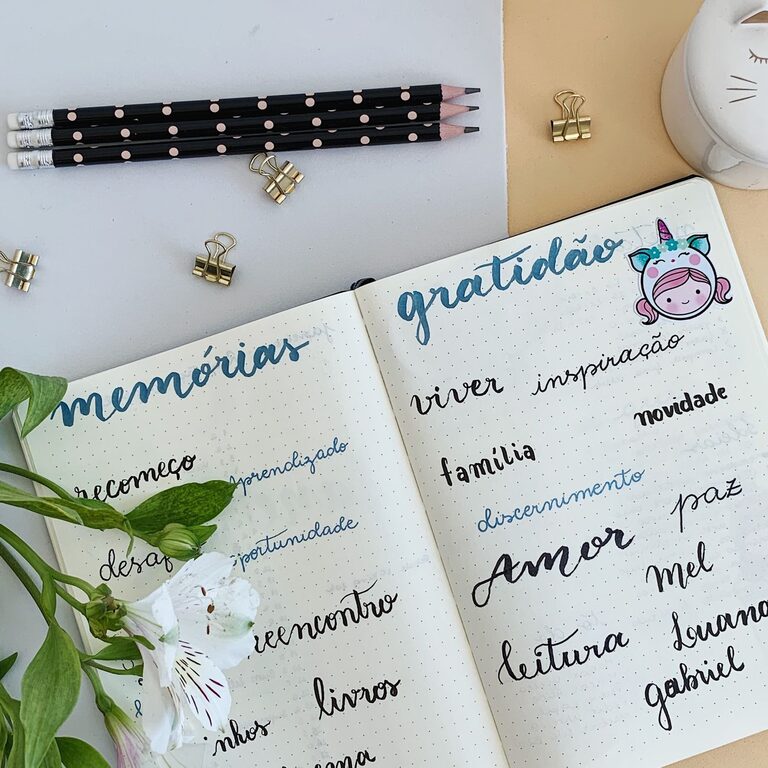
Pick a notebook or journal that feels right to you. It can be a fancy leather-bound book, a simple spiral notebook, or a digital app on your phone. The key is selecting something you enjoy using and can keep nearby for easy access.
2. Set a Time to Write
Decide when you want to write in your gratitude journal. Many people find it helpful to write either in the morning to start the day positively or at night to reflect before going to sleep. Choose a time that fits your routine and is realistic to maintain.
3. Start Small and Be Consistent
Begin by writing down 3 to 5 things you are grateful for each day. These don’t have to be big or life-changing; even simple pleasures count. Consistency is more important than quantity, so try to write daily or several times a week.
4. Be Specific
Rather than vague phrases like “I’m thankful for my family,” try to be more detailed. For example: “I’m grateful for the phone call with my sister today that made me laugh.” Specific entries tend to feel more meaningful.
5. Include How It Makes You Feel
Adding a sentence or two about how the thing you’re grateful for affects you emotionally can deepen the experience. For example: “The warm cup of tea in the morning made me feel calm and comforted.”
6. Don’t Worry About Perfection
Your gratitude journal is for you—there’s no right or wrong way to do it. Don’t stress about grammar, spelling, or making every entry profound. The important part is the practice of noticing and appreciating good moments.
Tips for Maintaining Your Gratitude Journal
Mix It Up
Some days you might feel more inspired to write longer entries, while on busy days a quick list works best. You can also include drawings, quotes, or photos that inspire gratitude.
Reflect and Revisit
Every few weeks, take time to read back through your entries. This can remind you of positive experiences you might have forgotten and reinforce feelings of thankfulness.
Use Prompts
If you’re ever stuck on what to write, prompts can help get you started. Examples include:
– What made me smile today?
– Who is someone I’m grateful for and why?
– What is something beautiful I noticed recently?
– What challenge taught me something valuable?
Share Gratitude
Consider sharing some gratitude notes with friends or family. Expressing appreciation out loud can brighten your relationships and inspire others to practice gratitude.
Common Challenges and How to Overcome Them
“I don’t feel grateful today.”
It’s normal to have days when gratitude feels difficult. On these days, try focusing on very small things, such as a comfortable chair, a tasty meal, or a good song. Even tiny positives count.
“I forget to journal.”
Set reminders on your phone or place your journal somewhere visible to encourage daily writing. Pair journaling with another habit, like brushing your teeth or having morning coffee.
“My entries feel repetitive.”
Try changing your focus or format, such as writing about different areas of life (work, friends, nature) or switching to gratitude letters you don’t have to send.
Final Thoughts
Starting a gratitude journal is a simple yet powerful way to enhance your well-being and bring more joy into everyday life. By dedicating just a few minutes each day to noticing and recording what you appreciate, you create a habit that nurtures positivity and mindfulness.
Remember, the best gratitude journal is the one you enjoy and keep up with. So grab a notebook, find a comfy spot, and begin your journey of gratitude today. You might be surprised at how it transforms your outlook and brightens your days.