



Beginner Tips for Composting at Home: A Simple Guide to Get Started
Composting at home is a rewarding way to reduce waste and create nutrient-rich soil for your garden. If you’re just starting out, the process might seem a bit daunting, but with a few simple tips, you can easily turn your kitchen and yard scraps into compost. This guide will help you understand the basics and get your compost bin up and running.
What is Composting?
Composting is the natural breakdown of organic materials like food scraps, leaves, and grass clippings into a dark, crumbly material known as compost. This “black gold” enriches soil, helps retain moisture, and supports healthy plant growth. Composting reduces the amount of waste sent to landfills and lowers greenhouse gas emissions.
Why Start Composting at Home?
– Reduces kitchen and yard waste
– Creates free, nutrient-rich fertilizer
– Promotes a healthier garden
– Supports environmental sustainability
Now that you know why composting is beneficial, let’s dive into how to start.
Choosing the Right Compost Bin
Beginner composters have multiple options when selecting a bin:
– Plastic compost bins: Affordable and easy to use, they come with lids to keep pests away.
– Tumbler composters: These allow you to turn the compost easily to speed up decomposition.
– DIY compost bins: You can build one from wooden pallets or wire mesh for better airflow.
Place your bin outdoors in a shaded area that’s easy to access, preferably on soil or grass to allow beneficial organisms to enter.
What Can You Compost?
Composting works best with a mix of “green” and “brown” materials. Both are necessary for proper decomposition.
Green Materials (Rich in Nitrogen)
– Fruit and vegetable scraps
– Coffee grounds and filters
– Tea bags (without synthetic materials)
– Fresh grass clippings
– Plant trimmings
Brown Materials (Rich in Carbon)
– Dry leaves
– Straw or hay
– Shredded newspaper or cardboard
– Wood chips or sawdust (untreated)
– Paper towels and napkins
Avoid adding meat, dairy, oily foods, pet waste, or diseased plants as they can attract pests or cause odors.
How to Start Composting: Step-by-Step
- **Layer Your Materials**
Start your compost pile by layering brown and green materials. A good rule of thumb is three parts brown to one part green. For example, add a layer of dry leaves followed by a layer of kitchen scraps.
- **Maintain Moisture**
Your compost should be as damp as a wrung-out sponge. If it’s too dry, add water; if it’s too wet, add more brown materials.
- **Turn Your Pile**
Turning or mixing your compost every 1–2 weeks introduces oxygen and speeds up decomposition. If using a tumbler, rotate it regularly.
- **Be Patient**
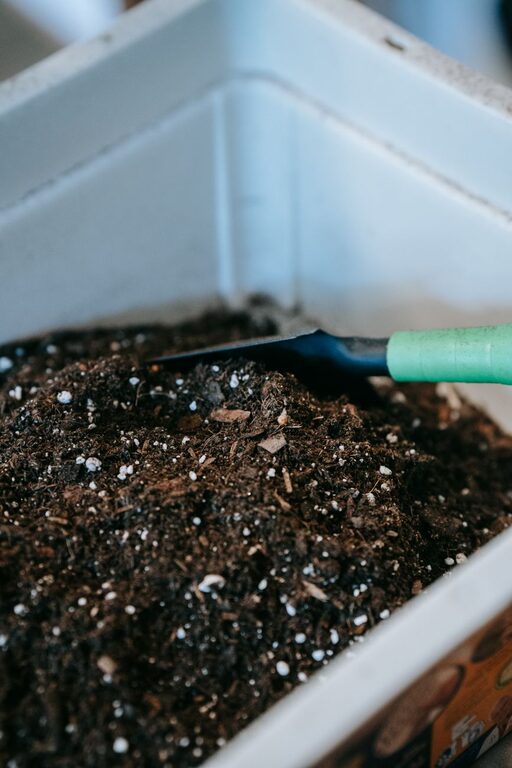
Composting takes time—typically 2 to 6 months depending on conditions. Finished compost looks dark, crumbly, and smells earthy.
Common Composting Challenges and Solutions
– Bad odors: Usually caused by too much green material or excess moisture. Add more brown materials and turn the pile.
– Pests: Avoid meat and oily foods. Use a bin with a secure lid and bury food scraps inside the pile.
– Slow decomposition: Turn the pile more often and chop materials into smaller pieces to increase surface area.
Tips for Success
– Chop or shred materials to help them break down faster.
– Use a compost thermometer to monitor internal temperature; ideal composting temperature is between 130°F and 160°F.
– Add garden soil or finished compost occasionally to introduce beneficial microbes.
– Be consistent with adding materials and turning your pile.
Using Your Finished Compost
Once your compost is ready, you can:
– Mix it into garden beds to improve soil structure.
– Use it as mulch around plants to retain moisture.
– Add it to potted plants for a nutrient boost.
Composting at home is an enjoyable and eco-friendly practice that benefits your garden and the planet. By following these beginner tips, you’ll be well on your way to creating your own sustainable soil amendment. Happy composting!