









How to Journal for Clarity and Focus: A Step-by-Step Guide
Journaling is more than just putting pen to paper; it’s a powerful tool to organize your thoughts, improve focus, and gain clarity in your daily life. Whether you’re feeling overwhelmed, distracted, or just want a better way to manage your goals, journaling can help you create mental space and sharpen your attention.
In this guide, we’ll explore how to journal effectively for clarity and focus. You’ll learn simple techniques, tips for consistency, and ways to make journaling a meaningful part of your routine.
Why Journal for Clarity and Focus?
Many people turn to journaling as a way to release stress or record memories, but it also offers specific benefits for mental clarity and focus:
– Clear your mind: Writing down your thoughts helps unload mental clutter.
– Prioritize your tasks: Journaling can reveal what’s truly important.
– Boost concentration: Focusing on your writing calms distractions.
– Track progress: Reflecting helps maintain motivation and awareness.
With these advantages in mind, let’s dive into practical steps to start journaling with intention.
Choosing the Right Journal and Tools
Before you begin, select materials that inspire you to write regularly.
– Journal type: Whether a classic notebook, a guided journal, or a digital app, pick what feels comfortable.
– Writing instruments: Use a pen or pencil that you enjoy holding to make the experience pleasant.
– Environment: Find a quiet spot free from interruptions.
Consistency matters more than perfection, so prioritize ease and enjoyment.
Setting Up Your Journaling Routine
Creating a routine helps build the habit and maximizes benefits.
Best Time to Journal
– Morning: Capture your intentions and set goals for the day.
– Evening: Reflect on the day’s events and lessons learned.
– Whenever needed: Use journaling as a tool to regain focus when overwhelmed.
Duration and Frequency
Start with 5–10 minutes daily. You can increase time as it becomes a natural part of your day.
Create a Comfortable Space
Choose a spot with minimal distractions, good lighting, and comfortable seating to encourage longer, thoughtful writing sessions.
Techniques to Journal for Clarity and Focus
Here are several journaling methods designed to deepen your clarity and improve focus.
1. Morning Pages
Popularized by Julia Cameron’s The Artist’s Way, morning pages involve writing three pages of stream-of-consciousness every morning. This practice:
– Clears mental clutter.
– Releases worries and distractions.
– Helps uncover subconscious thoughts.
Don’t worry about grammar or style—just write freely.
2. Bullet Journaling
A structured and flexible system, bullet journaling combines to-do lists, calendars, and notes. Use it to:
– Prioritize tasks.
– Track habits and goals.
– Note reflections.
By keeping everything in one place, bullet journaling makes it easier to focus on daily priorities.
3. Daily Intentions
Write a brief note each morning about what you want to focus on or achieve. This clarifies your purpose and guides your attention throughout the day.
Example: “Today I will focus on finishing the project report and avoiding social media distractions.”
4. Reflective Questions
At the end of the day, answer questions like:
– What went well today?
– What distracted me?
– How can I improve focus tomorrow?
Reflecting in this way builds self-awareness and improves future focus.
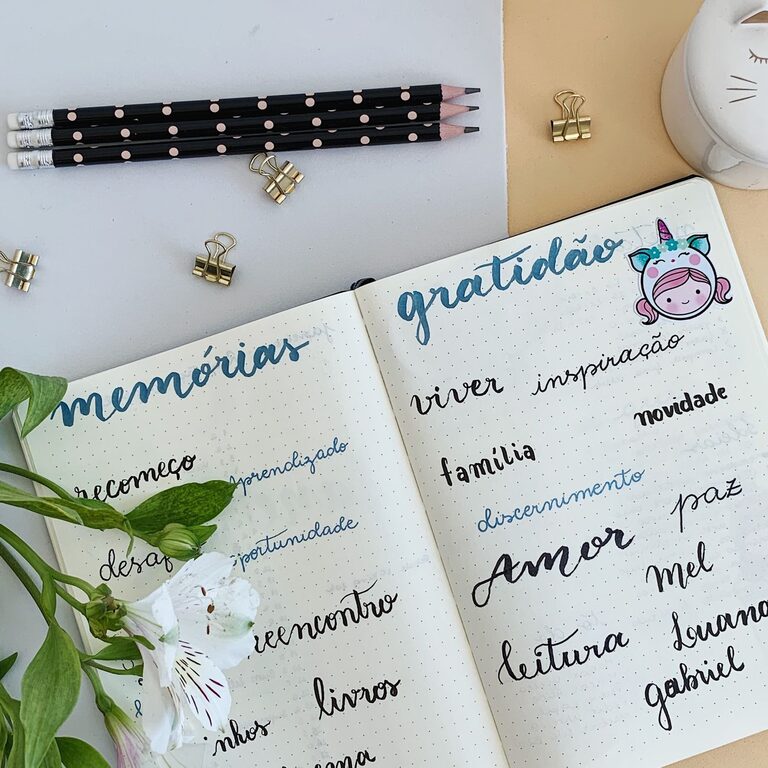
5. Gratitude Journaling
Listing things you’re thankful for can reduce stress and improve mental clarity by shifting your mindset toward positivity.
Tips to Make Journaling Effective
– Be honest: Authentic writing leads to real insights.
– Don’t judge: Let your thoughts flow without criticism.
– Use prompts: When stuck, prompts can spark ideas (e.g., “What is one thing causing me stress right now?”).
– Review regularly: Look back over your entries to identify patterns and progress.
– Stay flexible: Adapt your journaling style as your needs evolve.
How to Overcome Common Challenges
Lack of Time
– Keep it brief—5 minutes is enough to gain benefits.
– Combine journaling with another routine like morning coffee or before bed.
Feeling Stuck
– Use prompts or free write about anything that comes to mind.
– Try writing lists instead of paragraphs.
Perfectionism
– Remember journaling is for you, not anyone else.
– Accept messy handwriting or spelling errors.
Final Thoughts
Journaling for clarity and focus is a simple but powerful habit that anyone can adopt. By choosing a routine that fits your lifestyle and using methods tailored for mental organization, you can reduce stress, sharpen your attention, and accomplish your goals more efficiently.
Start small, be consistent, and enjoy the process of discovering your thoughts on the page. Over time, you’ll find journaling becomes an essential part of maintaining a clear, focused mind.