






Tips for Choosing Comfortable Home Lighting
Creating comfortable home lighting is essential to making your living space inviting and functional. The right lighting not only brightens a room but also sets the mood, supports daily activities, and highlights your interior design. Whether you’re updating a single room or planning lighting for a new home, understanding how to choose lighting that combines comfort and style can make a big difference.
In this article, we’ll explore key tips to help you select comfortable lighting that meets your needs and suits your space.
Understand the Types of Lighting
Before you choose fixtures and bulbs, it’s important to know the three main types of home lighting. Each type plays a unique role in creating a balanced, comfortable environment.
– Ambient Lighting: This is the general, overall light in a room. It provides uniform illumination so you can move around safely and easily. Examples include ceiling fixtures, flush mounts, or recessed lights.
– Task Lighting: Designed for specific activities like reading, cooking, or working, task lighting provides focused illumination. Desk lamps, under-cabinet lights, and vanity lights fall into this category.
– Accent Lighting: Accent lighting highlights artwork, architectural features, or décor pieces. It adds depth and visual interest, often using spotlights or wall-mounted fixtures.
Combining these types properly helps prevent eye strain and creates a comfortable atmosphere.
Select the Right Bulb Color Temperature
Bulb color temperature is measured in Kelvins (K) and affects the mood and comfort of your space.
– Warm White (2700K–3000K): Emits a cozy, yellowish glow that’s ideal for living rooms, bedrooms, and dining areas where you want to relax.
– Neutral White (3500K–4100K): Offers a balanced, natural light suitable for kitchens and bathrooms.
– Cool White or Daylight (5000K–6500K): Produces a bright, bluish light that’s best for task-oriented areas like offices or workshops.
For comfortable home lighting, warm to neutral white tones are generally preferred because they create a soothing environment.
Choose Dimmable Lighting Options
Dimmers allow you to adjust light levels according to your mood or activity, improving comfort and flexibility. Installing dimmable fixtures or bulbs in living spaces and bedrooms lets you create a softer ambiance in the evening or brighter light when needed for reading or cleaning.
Make sure that the bulbs and dimmer switches you select are compatible with each other to avoid flickering or reduced lifespan.
Prioritize Soft, Diffused Light
Harsh, direct lighting can cause glare and discomfort. Soft, diffused light helps reduce eye strain and contributes to a welcoming atmosphere.
To achieve this, consider:
– Lampshades that spread light evenly
– Frosted or opaque bulbs
– Light fixtures with diffusers or covers
Placing lights behind furniture or using indirect lighting techniques, such as wall sconces that reflect light off walls, can also soften the overall effect.
Layer Lighting for Function and Style
Combining multiple light sources at different heights improves comfort and visual interest.
Try layering:
– Ceiling fixtures for ambient light
– Table and floor lamps for task and accent lighting
– Wall sconces or LED strips for added depth
Layered lighting lets you control brightness and tone in different zones, making your home more adaptable to various needs.
Consider Energy Efficiency and Longevity
Comfortable lighting means more than just ambiance. It should also be practical and sustainable.
– Opt for LED bulbs, which use less energy and last much longer than traditional incandescent or fluorescent bulbs.
– LEDs provide instant full brightness and come in a variety of color temperatures.
– Look for bulbs labeled with the ENERGY STAR certification to ensure efficiency.
Using energy-efficient lighting saves money on utility bills and reduces environmental impact without sacrificing comfort.
Match Lighting Style to Your Decor
Comfortable home lighting should also complement your interior style.
– For modern spaces, sleek fixtures with clean lines and minimalist designs work well.
– Traditional homes benefit from warm-toned metals, glass shades, and classic shapes.
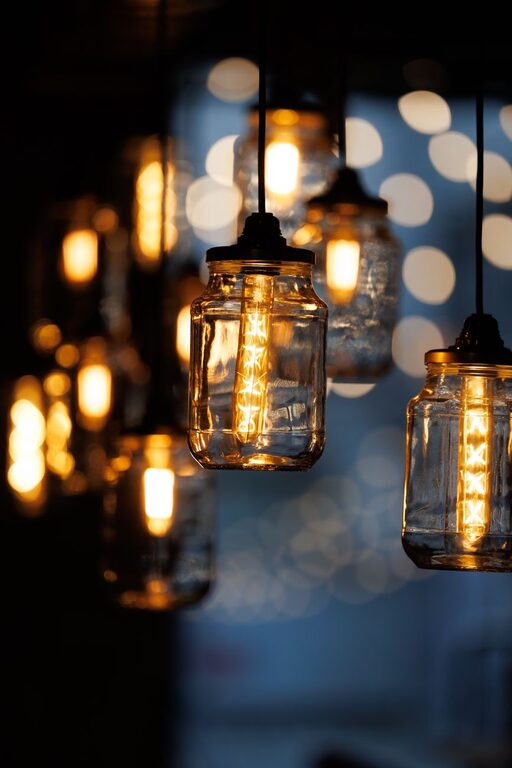
– Rustic or farmhouse styles pair nicely with Edison bulbs, natural materials, or vintage-inspired fixtures.
Choosing lighting that fits your aesthetic enhances the sense of comfort and cohesion throughout your home.
Pay Attention to Fixture Placement
Where you place your lights affects both comfort and functionality.
– Avoid positioning lights directly overhead when you’re sitting or working to prevent glare.
– Use adjustable lamps and fixtures to direct light where you need it most.
– Incorporate multiple light sources in larger rooms to eliminate dark corners and shadows.
A thoughtful lighting layout improves visibility and encourages relaxation.
Test Lighting Before Finalizing
If possible, test bulbs and fixtures in your space before fully committing. Many stores offer return policies or sample bulbs.
– Try different bulb temperatures and brightness levels.
– Observe how natural daylight interacts with your artificial lighting.
– Consider how the lighting feels during different times of day.
This hands-on approach helps ensure your choices are comfortable and suitable for your lifestyle.
—
Choosing comfortable home lighting involves balancing function, style, and energy efficiency. By understanding lighting types, selecting appropriate color temperatures, layering your fixtures, and considering placement, you can create a warm and inviting home environment that supports your daily activities. With these tips, you’ll be well on your way to designing a lighting scheme that brightens your home in all the right ways.